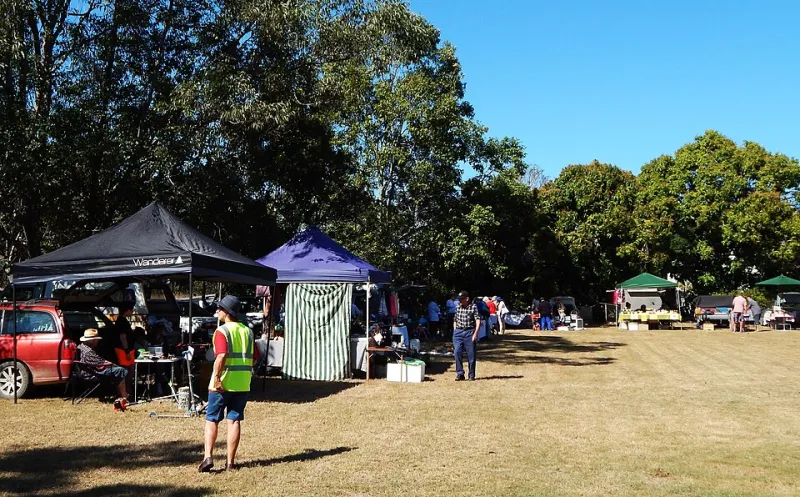
Twenty Quid of Stock, Six Months of Saturdays: Our Car Boot Season in Cold Numbers

Photo: RegionalQueenslander, CC BY-SA 4.0, via Wikimedia Commons
Back in April, we handed a first-time seller twenty quid, a folding table and a set of keys to a borrowed hatchback, then pointed them at the nearest Sunday boot sale. The brief was simple: work every weekend you can be bothered with, keep a note of everything, and don't sugar-coat the results when the season wraps.
Six months later, the spreadsheet is done. Here's how it actually went.
The Setup: What Twenty Quid Buys You
The starting stock came from a house clearance box and a couple of charity shop runs: bric-a-brac, some tools, a stack of DVDs, kids' toys, a lamp with a wobbly shade. Total outlay, £20 including the charity shop bits.
Pitch fees varied between £8 and £15 depending on the venue, with the posher ones near town charging a premium and offering precisely nothing extra in return. Add petrol and the occasional £2.50 bacon bap that felt non-negotiable at 6am, and the overheads across the season came to roughly £180.
That's the number nobody mentions in the YouTube videos. Before you've made a penny, the boot sale has already cost you the price of a decent night out.
What Actually Shifted
Three categories earned their table space week after week:
- Tools and anything metal. Even rusty spanners went. A £3 bag of mixed drill bits sold within twenty minutes of unloading.
- Toys and games, complete. Half a jigsaw is landfill; a boxed LEGO set is a fiver, minimum.
- Small electricals that work. Kettles, lamps, DAB radios. Tested in the car park, sold by nine.
What didn't move: DVDs (dead trade, don't bother), clothing unless it was vintage or branded, and anything requiring explanation. If you have to pitch it, you've already lost.
The Early Birds Are the Only Ones Earning
Here's the pattern that emerged by June: roughly two-thirds of the season's takings happened before 8am. The trade buyers — the ones with head torches and cash in hand — sweep the pitches as sellers unpack, buying in bulk at low prices to resell elsewhere.
The casual punters strolling in at ten are browsers, not buyers. They'll haggle over £1, pick up your best item and put it back down, and leave you packing up at half one with a pocket of coppers.
The lesson: if you're selling, you're setting up in the dark. Get there for 5.30, be unpacked by six, and treat the first two hours as the entire business. Everything after is a bonus.
No-Shows, Washouts and the Days That Paid for Everything
Not every Saturday was a winner. One washout in May took £14 all day — less than the pitch fee. Two venues cancelled without notice, costing a 40-minute round trip each.
But the good days more than covered it. The best morning of the season cleared £140 from a pitch that cost a tenner, thanks to a job lot of vintage tools and a woman who bought every single DVD at £5 the lot after all.
The Final Tally
Across roughly 22 selling days: £1,340 gross, minus £180 in fees, fuel and fry-ups, against £20 of starting stock. Call it £1,140 profit for six months of early mornings — averaging around £52 per Saturday for a season's graft.
Is it life-changing money? No. But it's £1,140 that didn't exist in April, the stock is nearly gone, and the seller now knows which items to hunt for at clearance sales all winter.
The Takeaway for Next Season
Start hoarding now. Every loft clear-out, every free curb-side listing, every job lot at auction is next spring's stock. Buy in winter when nobody's competing, sell in summer when the pitches are full.
The boot sale doesn't make anyone rich. But as a low-risk way to learn selling, pricing and haggling — with cash in hand by 7am — it's still one of the best classrooms in Britain.