Fifty Quid and a Big Boot: How One Saturday Morning Turns Junk Into £150
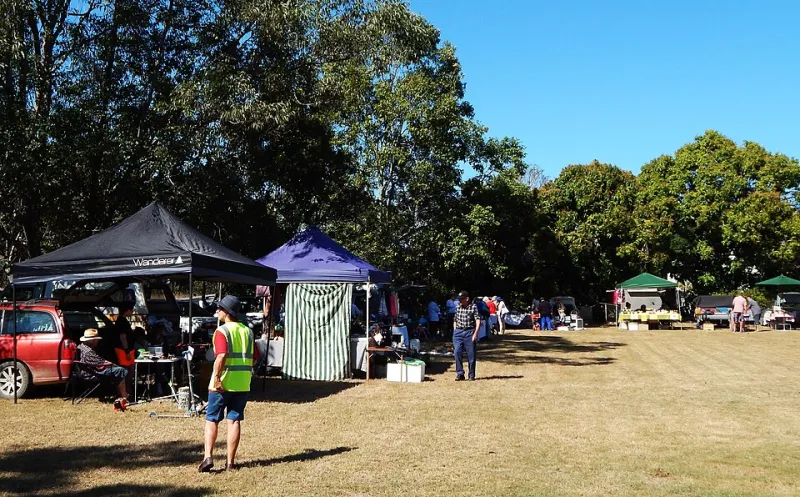
Photo: RegionalQueenslander, CC BY-SA 4.0, via Wikimedia Commons
There's a bloke at every car boot sale in Britain with a folding table, a flask of tea and £300 cash in his pocket by noon. He didn't inherit it. He didn't get lucky. He learned one skill most people can't be bothered with: buying cheap, selling honest, and doing the maths properly.
Here's the thing about boot sales — the person selling a boxed set of Pyrex for £3 isn't stupid, they're just in a hurry. You're not taking advantage of anyone. You're providing a service: you do the driving, the hauling, the researching and the standing around in the drizzle so they don't have to. That's graft, plain and simple, and it deserves paying.
Where the Money Actually Starts
Forget the myths about finding a Picasso under a tea towel. Real boot sale profits come from boring, repeatable categories:
- Tools and DIY kit. A rusty-looking Bosch drill for a fiver is £25-£35 on eBay or Facebook Marketplace with a fresh clean and a new chuck. Tools sell every single week.
- Branded clothing. North Face, Barbour, Ralph Lauren — even worn. A £2 rail-dig can yield a £30-£40 shirt. Learn the fakes; hold everything up to the light.
- Lego, board games and jigsaws. Parents at boot sales offload this stuff in bin bags. Complete sets shift fast online, and incomplete Lego still sells by the kilo.
- Retro tech and gaming. Old Nokia phones, Game Boys, iPods. Even duff items have parts value.
- Books — but only certain ones. Paperback romance is dead weight. Signed first editions, academic texts and niche hobbies (beekeeping, model railways) are gold. Scan with an app before you commit.
What to walk past: mass-produced ornaments, exercise bikes, anything electrical you can't test, and the siren song of "genuine antiques" sold by someone who clearly doesn't know what antique means.
The £50 Experiment, Week One
Let's run a realistic first trip. Budget: £50, including float and fuel. Saturday, 7am, a big Sunday-market boot sale on the edge of town — get there early, sellers are more willing to deal before the crowds.
The haul:
- DeWalt cordless drill, no battery — £6 (sells £28 with a tested battery bought separately for £4)
- Three Barbour-style waxed jackets — £12 total (average £22 each online, so £66)
- Bag of assorted Lego, roughly 2kg — £8 (sells £25-£30 sorted)
- Vintage board games, two complete — £5 (£24 the pair)
- Box of 40 vinyl records, mostly filler — £9 (three are worth £10-£15 each; the rest bundle for a tenner)
That's £40 spent, £44 of float and change in hand. Sunday morning: list what you can, photograph everything properly against a plain wall, and price honestly. Facebook Marketplace and local groups move the bulky stuff; eBay handles the collectables. By Wednesday the drill and jackets have gone. By Sunday teatime, the total sits at £158.
Now Take Off the Costs
Any article that doesn't mention overheads is selling you a fantasy. Here's the honest ledger:
- Fuel: £9 (one round trip, shared costs if you go with a mate)
- Pitch fee to sell your own leftovers next week: £12
- eBay fees and postage on the collectables: roughly £11
- A battery for the drill: £4
Total costs: about £36. Net profit: £122 for a weekend that involved maybe six hours of actual work. That's £20 an hour, tax-aware (more on that below), and it scales.
The Rules That Keep You Profitable
Never buy what you can't value. If you don't know vinyl, don't guess. Every pound spent on a mystery box is a pound that might as well go in the bin.
Haggle like a human, not a shark. "Would you take a fiver for the pair?" works. Lowballing someone's Nan at 6am doesn't, and boot sale regulars have long memories. Relationships get you first refusal on next week's good stuff.
Reinvest before you reward. The classic first-timer mistake is spending the profit. Roll it. Week two's budget becomes £120, and the maths compounds fast. Set a rule: 80% back into stock, 20% in your pocket, until you hit a target.
Keep records from day one. Open a simple spreadsheet — what you bought, what it sold for, what it cost to sell. When your turnover pushes past the £1,000 trading allowance, HMRC wants to know, and a clean record takes one evening to sort rather than one panicked weekend in January.
Know when to cut losses. Anything unsold after three weeks gets repriced down or bundled. Dead stock eating your shed is dead money. Move it on, even at a small loss, and put the cash back to work.
Scaling Without Losing Your Weekends
Once you've proven the system, the game changes. Buy job lots at the end of boot sales — sellers will practically pay you to take the remnants. Build a small stockroom (garage corner, spare cupboard). List in batches on a Sunday evening when browsers are browsing. Some grafters eventually skip the boot sale entirely and go straight to house clearances and marketplace bargains midweek.
But don't overcomplicate it. The £50 version works. It works this weekend, with stuff you can find within ten miles of your front door, using nothing but a phone, a boot with room in it, and the willingness to get up while the rest of the street is still asleep.
Fifty quid. One weekend. A hundred and fifty back. That's not a get-rich scheme — it's just graft, done properly.