Same Hustle, Different Postcode: Why Your Mate's Goldmine Might Be Your Dead End

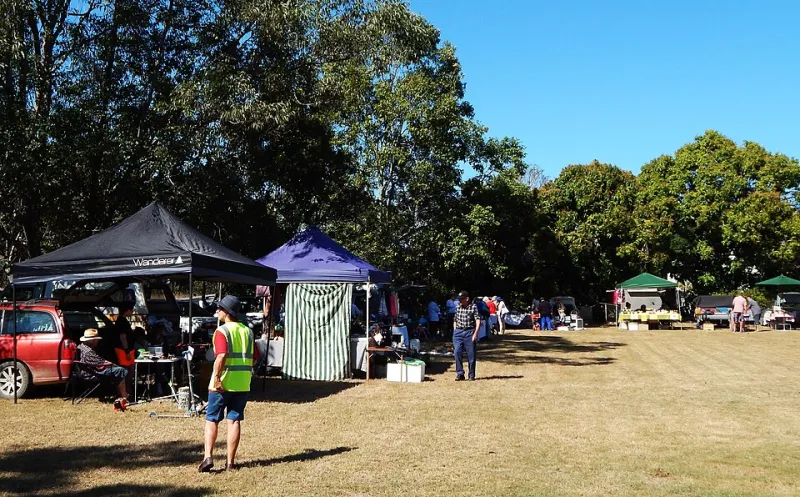
Photo: N Chadwick , CC BY-SA 2.0, via Wikimedia Commons
Your mate in Bristol clears £300 every Sunday flogging clearance stock at car boots. So you copy him. Same stock, same pitch, same early alarm. Three weekends in, you've made forty quid and a bad back.
Nothing went wrong with the hustle. Something went wrong with the postcode.
Side hustles that depend on showing up somewhere physical — car boots, window cleaning, dog grooming, mobile valeting, market stalls — are hyper-local businesses. They live or die on the patch around them, not on the idea itself. And a hustle that's a goldmine five miles away can be dead on arrival on your doorstep.
Here's how to work out which one you've got before you spend a penny.
The Five-Point Patch Test
Grab a brew and give any local hustle idea an hour of honest research across these five areas. If it fails two or more, walk away or adapt.
1. Demand. Is there enough of whatever it is in your area? A dog grooming round needs dogs — check the density of housing, family homes versus flats, parks nearby. A car boot pitch needs punters, which means population within a short drive. Look at local Facebook groups: what are people asking for? If you search "dog groomer" in your town's group and get pages of recommendations, that's demand talking.
2. Competition. Some competition is healthy — it proves people pay. But check how crowded it actually is. A town of 30,000 with four established window cleaners is a different proposition to the same town with one bloke who's about to retire. Count them properly: Google Maps, local directories, the vans you see parked around. Then ask the killer question — are they any good? A patch full of mediocre competition is an opportunity wearing a disguise.
3. Demographics. Who lives around you, and can they afford what you're selling? Mobile detailing thrives in areas with driveways and disposable income. A bargain-heavy market stall needs footfall from people hunting value. Match the hustle to the street, not the other way round.
4. Geography. Five miles of country lanes between jobs can turn a profitable round into a fuel bill. Cities offer density — more customers per hour — but often more competition and parking hell. Villages offer loyalty and less competition, but longer drives. Know your terrain and price it in.
5. Timing. Some hustles are seasonal or depend on local rhythms. A car boot empire needs boots that actually run — check which local ones are thriving versus quietly dead. A student-area cleaning business empties every June. Ask when the money actually flows.
Run a Cheap Test Before You Commit
Don't buy the van, the kit or the stock. Test the demand first.
- Post in local groups offering the service and gauge the response. Ten genuine enquiries is a signal. Two likes is not.
- Do one weekend manually — borrow what you need, take bookings before you buy anything. Pre-sold work is the cheapest market research there is.
- Call the competition. Seriously. Ring three local providers as a customer. Note their prices, their waiting times, how they answer the phone. If they're all booked up for weeks, that's a queue you can join.
- Check the maths on your actual patch, not a fantasy one. Average job price × realistic jobs per week × weeks you'll actually work. Be brutal.
Adapt the Hustle to the Street
Often the idea isn't wrong — the version of it is. Maybe car boots don't work in your town, but a Facebook Marketplace collection-and-resale service does. Maybe mobile grooming is saturated, but grooming for anxious dogs or at-home cat visits isn't. The local test doesn't just kill bad ideas; it shows you the gap nobody on your patch has filled.
The graft is the same whether you're in Glasgow or Guildford. But the ground you plant it in isn't. Test the soil first — then put your back into it.