Rain Stops Play? Not for These Hustlers: Building a Wet-Weather Plan That Protects Your Pay

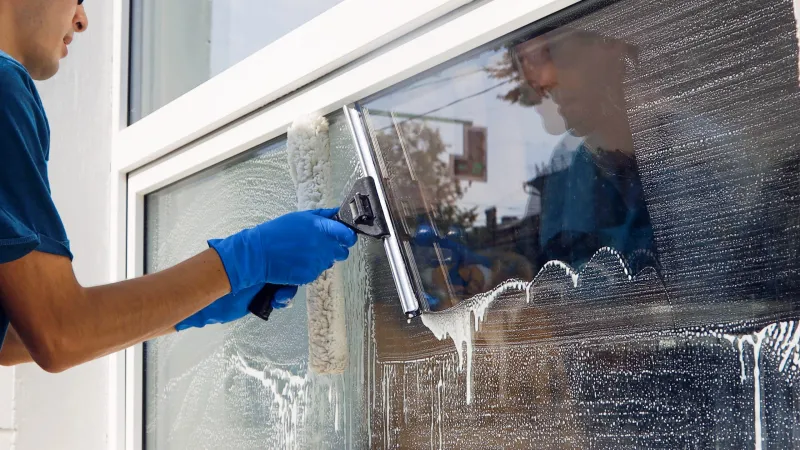
Photo: Basile Morin, CC BY-SA 4.0, via Wikimedia Commons
Ask any gardener what their biggest expense is and they won't say petrol or insurance. They'll say the weather. It's the silent business partner who takes a cut of every week without signing anything — and unlike a real partner, you can't buy them out.
The numbers are brutal when you track them. A window cleaner on a round might lose 15 to 20 working days a year to proper rain and frost. A gardener in a wet spring can watch an entire month of bookings slide. Car boot traders live and die by a Met Office app they refresh at 5am on a Sunday. If you graft outdoors in the UK, the forecast isn't background noise. It's payroll.
So why do so many side hustlers treat bad weather as a surprise every single time?
The Forecast Is a Business Document
Dave, a window cleaner in Leeds with a round of about 140 houses, checks the weather twice a day — once when he wakes up, once the night before so he can reshuffle routes.
"Rainy day isn't a day off, it's a planning day," he says. "If Tuesday's washed out, I'm on the phone Monday night moving jobs forward, texting customers, and doing my quotes and invoices in the van with a brew. The round doesn't shrink. It just bends."
That's the mindset shift most part-timers miss. A day job gives you a salary whether it rains or not. Your hustle gives you nothing unless you've built slack into the system. Weather isn't an excuse — it's a scheduling variable, and the hustlers who earn consistently are the ones who treat it like one.
The Gardeners' Dilemma: When to Cancel and When to Crack On
Not all rain is equal, and knowing the difference saves you money. A drizzle? Most gardening jobs go ahead — hedges don't mind, and weeding in damp soil is actually easier. A proper downpour? You're churning a lawn into mud and doing damage, not a service.
Priya, who runs a gardening round across two London boroughs alongside her NHS shifts, has a simple rule: "Light rain and it's weeding, pruning, anything with a fork. Heavy rain and it's cancelled — but I never cancel without offering the next slot there and then. The worst thing you can do is go quiet. Customers don't remember the rain. They remember that you vanished."
Her wet-weather move: rain days are for quote visits. She books two or three potential customers for a cuppa-and-walkaround, converting dead time into future bookings. Roughly one in three becomes paid work.
Delivery Riders: Grafting Harder When It's Grim
Here's the irony — for couriers and delivery riders, bad weather is often a payday. Fewer riders log on, surge pay kicks in, and the ones willing to get soaked earn more per hour than on a sunny Tuesday.
Marcus, who does evening food deliveries in Manchester, keeps a full kit: proper waterproofs, a phone pouch that actually seals, spare gloves, and a towel in his bag. "The riders who quit when it spits are the ones earning half what I do on the same streets," he says. "Wet Saturday night is one of my best shifts. Miserable? Yes. Profitable? Also yes."
His advice: build the kit into your costs. If you're riding in British weather without £80 of decent gear, you're not saving money — you're just scheduling your own days off.
Car Boot Traders and the Sunday Gamble
Car booting is the purest weather gamble there is. You've got stock in the boot, petrol in the tank, and a 6am start riding entirely on whether that cloud bursts.
The traders who last do three things:
- Check multiple forecasts, not one. The Met Office, BBC and a weather app rarely agree. If two out of three say rain, don't go.
- Know which indoor options exist near you. Many towns have indoor markets or hall sales through winter. Have the stall fee and booking details saved before the season starts.
- Sell the stock anyway. Rainy weekends are when Facebook Marketplace and Vinted come alive — everyone else is stuck indoors scrolling. Photograph your boot stock on a dry evening and list it as backup inventory.
Your Rainy Day Revenue Playbook
Strip out the anecdotes and here's the system. Build it once, and a washed-out Saturday stops being a £0 Saturday.
1. Track your weather losses. For one month, note every hour lost to weather and what it was worth. You can't fix what you haven't measured — and that number is your motivation to build the backup plan.
2. Sort your work into three buckets. Jobs that can happen in light rain (weeding, bin cleaning, interior work), jobs that need dry weather (window cleaning, lawn mowing, painting), and jobs that can move entirely indoors (quotes, admin, marketing, listing stock online). When the forecast turns, you already know which bucket you're working from.
3. Build a two-week buffer in the diary. Never schedule a round so tight that one storm wrecks it. Leave slack days you can push work into. Yes, that means turning down the odd job. It also means one bad week doesn't cascade into a lost month.
4. Have an indoor income ready. Every outdoor hustler should have something they can do from the kitchen table: listing spare stock, chasing overdue invoices, messaging lapsed customers, applying for an indoor gig like a weekend market stall. Even £30 earned on a washout beats £0 and a sulk.
5. Communicate before the customer asks. A text the night before — "heavy rain forecast tomorrow, I've moved you to Thursday, does that work?" — costs nothing and keeps the booking alive. Silence loses customers.
Stop Resenting the Rain. Start Pricing It In.
Here's the final piece: your rates should already account for lost days. If you lose one Saturday in six to weather, your hourly rate needs to cover the other five. That's not greed — that's arithmetic. Hustlers who price as if every booked day will happen are the ones who end the year confused about where the money went.
The weather is your business partner whether you like it or not. You can't sack it. But you can plan around it, price for it, and make sure that when the heavens open, you're the one still earning while everyone else stays dry and skint.
That's not luck. That's graft.