Sixty Doors, Eight Hundred Quid: Why the Round Beats the One-Off Every Time
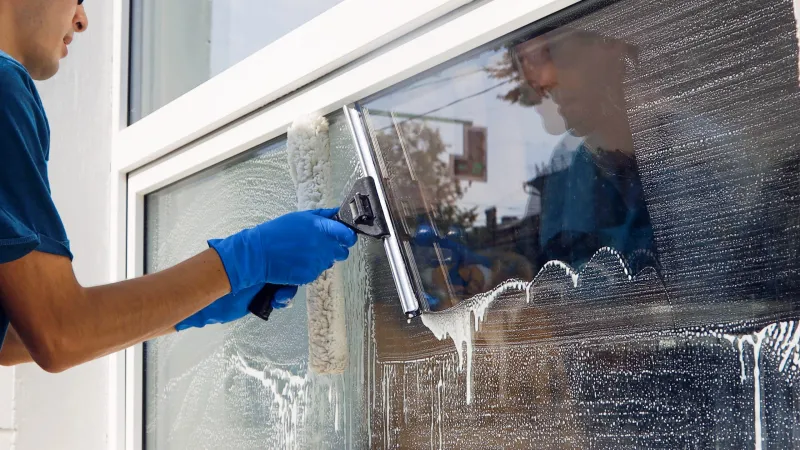
Photo: young window cleaner squeegee cleaning house windows UK suburban street, via storables.com
The Lad Who Never Chases Work
Jake is 24, drives a battered Corsa with a bucket in the boot, and clears around £800 a month from window cleaning. He works maybe twelve hours a week. What struck me first wasn't the money — it was the calm. No Facebook posts begging for bookings. No quoting every Tom in the neighbourhood. Just a round: 60 houses, done every four weeks, same faces, same squeegee.
I shadowed him for six months because I wanted to understand why his hustle felt so different from every side gig I've ever written about. The answer, it turns out, is simple: he never starts from zero.
The Cold Start Problem Nobody Talks About
Most side hustles share one brutal flaw. Every Saturday, you wake up with nothing. No bookings, no income, no momentum. You have to find work before you can do work — and finding work is the hardest, least-paid part of any job.
Think about the typical weekend flipper or one-off gardener. They spend Friday night messaging marketplace listings, Saturday morning driving to view stuff, and only then do they earn. Half their graft is spent hunting the next job.
Jake's Friday night? He has a pint and goes to bed. His Saturday is already sold.
The Maths of the Round
Let's do the numbers properly, because this is where it gets interesting.
- 60 customers at £13–£15 per clean, every four weeks
- Roughly £800–£850 per month
- About 15 doors per working day, four days a round
- Each door takes 10–15 minutes including the walk between houses
That's an effective rate north of £30 an hour once the round is built. Compare that to a one-off job: you drive 20 minutes, quote, maybe lose the job, maybe do it, then drive home and start again. Every single job carries the full cost of winning it.
On a round, the winning happened once — months ago. Now every clean is nearly pure graft-to-cash. The customer acquisition cost amortises down to almost nothing.
Why People Say Yes and Never Leave
Here's the part that surprised me. Window cleaning is a product people barely think about. It's not a considered purchase like a boiler service. Once you're on the door, most households just... keep you. Jake has lost maybe four customers in six months, and two of them moved house.
That stickiness is gold. A one-off gig has to impress a stranger every time. A round builds quiet trust — they know your face, you know which gate sticks, which dog barks. You become a fixture, like the bin lorry. Nobody shops around for the bin lorry.
And the rebook is automatic. Jake doesn't ask. He turns up every fourth Saturday. The service is the reminder.
Building a Round From Nothing
Obviously, you can't wake up with 60 doors tomorrow. Jake started with a sponge, a squeegee and a lot of rejection. His playbook, in his words:
- Pick a tight patch. Streets you can walk between. Every minute driving is a minute unpaid.
- Knock, don't leaflet. A leaflet converts maybe 1 in 200. A doorstep chat with a friendly lad holding a squeegee converts far better — Jake reckoned 1 in 8 doors said yes in his first street.
- Price for the round, not the clean. £13 sounds cheap until you realise it takes 12 minutes and repeats forever.
- Do the first one spotless. First impressions lock in the next 50 cleans.
- Add doors adjacent to your route. Never zigzag across town. Fill the gaps you already walk past.
It took Jake about five months to hit 60 doors. Five months of evenings and Saturdays. But here's the kicker — those five months built an asset. He could take a month in Portugal and come back to a round that mostly held.
The Lesson Beyond Windows
You don't have to clean glass to use this. The principle — recurring beats one-off — applies everywhere:
- The gardener who does fortnightly maintenance instead of one-off clearances
- The car detailer selling monthly valets instead of single bookings
- The cleaner with a weekly round instead of end-of-tenancy roulette
- The dog walker with five regulars instead of a hundred one-day sits
Ask yourself about your own hustle: what percentage of my income is guaranteed before I wake up? If the answer is zero, you're not building a business — you're running a raffle every week.
Stop Starting Over
The one-off hustle feels exciting because every job is new. But new is expensive. New is rejection, dead miles and unpaid quoting. The round feels boring — same doors, same faces, same banter about the weather — but boring compounds.
Jake's £800 a month isn't a lottery win. It's 60 small yeses stacked on top of each other over two years. Every month, the same work pays again.
That's the graft nobody's selling you on TikTok: not the big launch, not the viral idea. Just a bucket, a route, and the discipline to show up at the same doors every four weeks until they forget life before you turned up.