Stop Calling It a Side Hustle: The Case for Grafting Like You Mean It
Photo: Unknown, Public domain, via Wikimedia Commons
Say 'side hustle' out loud. Go on. Notice anything? It sounds disposable. A hobby with a Stripe account. Something you'll mention at a barbecue and abandon by October.
Now say 'graft'. Different animal entirely. It's the word your grandad used for a twelve-hour shift on the buses. It's what your mate from Middlesbrough says she's doing when she's up at five loading the van before her actual job. One word describes a pastime. The other describes a discipline.
At LiveGraft we've been banging this drum for a while now, and it's time to make the case properly.
The Language Problem Nobody's Talking About
'Side hustle' crossed the Atlantic sometime in the mid-2010s and settled in like it owned the place. American entrepreneurship culture — all dropshipping, passive income and four-hour work weeks — came bundled with it. And fair play, some of it works. But the vocabulary we imported came with baggage.
A hustle is something you do. Grafting is something you are. That distinction isn't semantic waffle — it changes behaviour.
When you think of your earning as a hustle, you treat it casually. You skip a night of it because the telly's good. You don't chase that invoice because it feels awkward. You price low because you're not really serious, are you?
When you think of it as graft, the whole frame shifts. Grafters turn up. Grafters invoice properly. Grafters put the hours in when nobody's watching, because that's the deal you made with yourself.
What British Graft Actually Looks Like
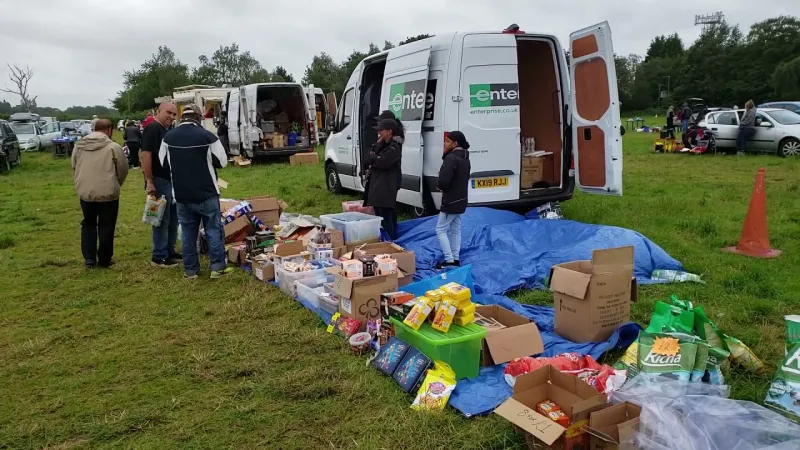
This isn't nostalgia for its own sake. The UK has a long, unglamorous tradition of people stacking income on top of income. The postman with the allotment who sells surplus veg. The teaching assistant doing hair in her kitchen on Saturdays. The plumber who does a bit of tiling on the side because word gets round.
Nobody in those situations called it a hustle. They called it getting on with it.
There's a humility and a stubbornness baked into that tradition that the hustle-bro internet completely misses. It's not about the laptop lifestyle in Bali. It's about the second pair of hands in the family budget — the difference between just about managing and actually getting somewhere.
Three Ways the Hustle Mindset Is Costing You Money
1. You underprice. Hustles are experiments, so you charge experimental rates — a tenner here, a favour there. Graft knows its worth. We've written before about mates' rates eating profits, and it all starts with treating your income like a bit of a laugh.
2. You quit early. Most side incomes take six months before they're anything. A hustle gets binned in month two when it feels like hard work. Graft expects the hard work — it's in the job description.
3. You never formalise. Hustlers avoid registering with HMRC, sorting a business account, or telling people what they do. Grafters know that sorting the tax in one evening and getting the boring admin done is what separates a proper income from a furtive hobby.
The Vocabulary Audit
Try this for a fortnight. Every time you'd normally say 'my little side thing' or 'just a bit on the side', say 'my graft' instead. Notice how it feels.
You'll probably find yourself behaving differently. Answering enquiries faster. Booking the Saturday. Raising the rate by a fiver. Because when you name the thing seriously, you take the thing seriously.
This isn't a magic trick. Nobody's salary doubles because of a word. But mindset and vocabulary shape consistency, and consistency is the entire game. The person who turns up four evenings a week for a year will always beat the person who has a brilliant idea and a folder of unearned certificates.
A Manifesto, If You Want One
So here it is, plainly:
- Your extra income deserves a proper name, a proper price, and proper records.
- The day job isn't a cage — it's the startup capital nobody talks about.
- Slow, unsexy, repeated effort beats every 'passive income' shortcut going.
- You don't need permission, a course, or a personal brand. You need customers and consistency.
Call it what it is. You're not hustling. You're grafting — building something real on top of an already full life, the way British workers always have.
Now close this tab and get on with it. The graft won't do itself.