Your Side Hustle Doesn't Need a Van. It Needs Ten More Customers.
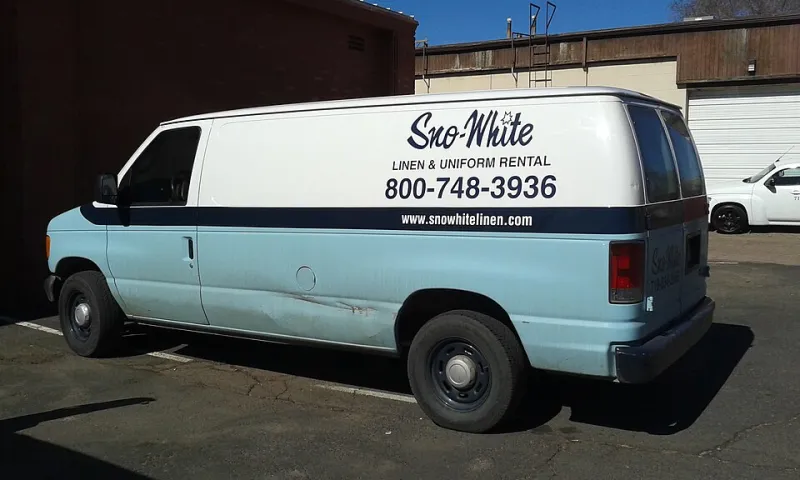
Photo: Xnatedawgx, CC BY-SA 4.0, via Wikimedia Commons
Every side hustler knows the feeling. You've done a few jobs, the money's trickling in, and suddenly your brain starts shopping. A van. A logo. Matching polo shirts. A company name that isn't just your own name with 'Services' awkwardly bolted on the end.
It feels like progress. It usually isn't. In fact, premature upgrading is quietly killing more UK side hustles than competition, taxes and bad luck combined.
The Fantasy of Looking Professional
Here's the seductive logic: if I look like a proper business, I'll attract proper business. So people spend £3,000 on a second-hand van before they've got work to fill it, or £800 on branding for a venture earning £200 a month.
The maths is brutal. A van isn't a purchase — it's a monthly commitment. Insurance, tax, fuel, maintenance and depreciation will run you £300–£500 a month whether or not a single job lands. That's not an investment in your business. That's a landlord you've volunteered for.
I've watched it happen enough times to spot the pattern. Someone gets busy for six weeks, assumes the demand is permanent, and locks themselves into overheads that demand can't cover. Then the inevitable quiet patch arrives — February, usually — and suddenly they're doing jobs at a loss just to keep the van on the road. Six months later, the van's sold, the logo's in the bin, and the whole thing's written off as 'it didn't work out'.
It didn't work out because it was never a business. It was a hobby wearing a uniform.
What Actually Signals It's Time
None of this means you should stay scrappy forever. There are genuine, measurable signs that a side gig has outgrown its starter kit — and none of them involve how you feel in a branded hoodie.
You're turning work away. Not occasionally — consistently. If you're declining two or more jobs a week for six months because you physically can't fit them in, that's real demand exceeding real capacity. That's when a van or a helper pays for itself.
You're losing jobs to logistics. You've got the bookings but you're hiring a van every weekend, or borrowing your mate's trailer, and the rental costs are eating 20% of each job. When hire fees exceed the monthly cost of owning, the maths finally flips.
Your tax situation demands it. If your side income clears £1,000 a year you need to tell HMRC via self-assessment — that's the law, not a milestone. But when you're earning enough that a limited company structure or VAT registration genuinely saves you money, that's a business decision worth making with an accountant, not a branding one.
Your customers would pay more for it. A proper name and a professional presence can justify higher prices — but only if the demand is already there. Branding amplifies a business; it can't conjure one.
The Test That Actually Matters
Call it the Nissan Navara Test, because everyone seems to want one eventually. Before you spend serious money on kit, premises or identity, ask one question: could I fill this capacity with paying work inside 30 days, from demand that already exists?
If yes — if you've got the enquiries, the waiting list, the repeat customers — then buy the van, register properly, tell your boss if it comes to that. You're not buying a fantasy; you're buying capacity for proven demand.
If no, put the credit card down. The £3,000 you were going to spend on a van is better spent on nothing at all, banked, while you spend your evenings getting the only thing that matters: more customers.
Graft First, Gloss Later
The most successful one-person operations I've encountered look embarrassingly unprofessional from the outside. A bloke in a battered Focus with a phone number on a magnetic sign, earning more than most office managers. A tutor with no website at all, booked out four months ahead through word of mouth alone.
They got the customers first. Everything else followed.
The van, the logo, the Ltd company — none of it earns a penny on its own. Customers do. So before you upgrade anything, earn the right: ten more bookings, three more months of consistent demand, one more honest look at the numbers. Your future business will be built on that foundation, not on how good the logo looked in your head.