Keep the Day Job: Why Your Salary Is the Startup Capital Nobody Talks About

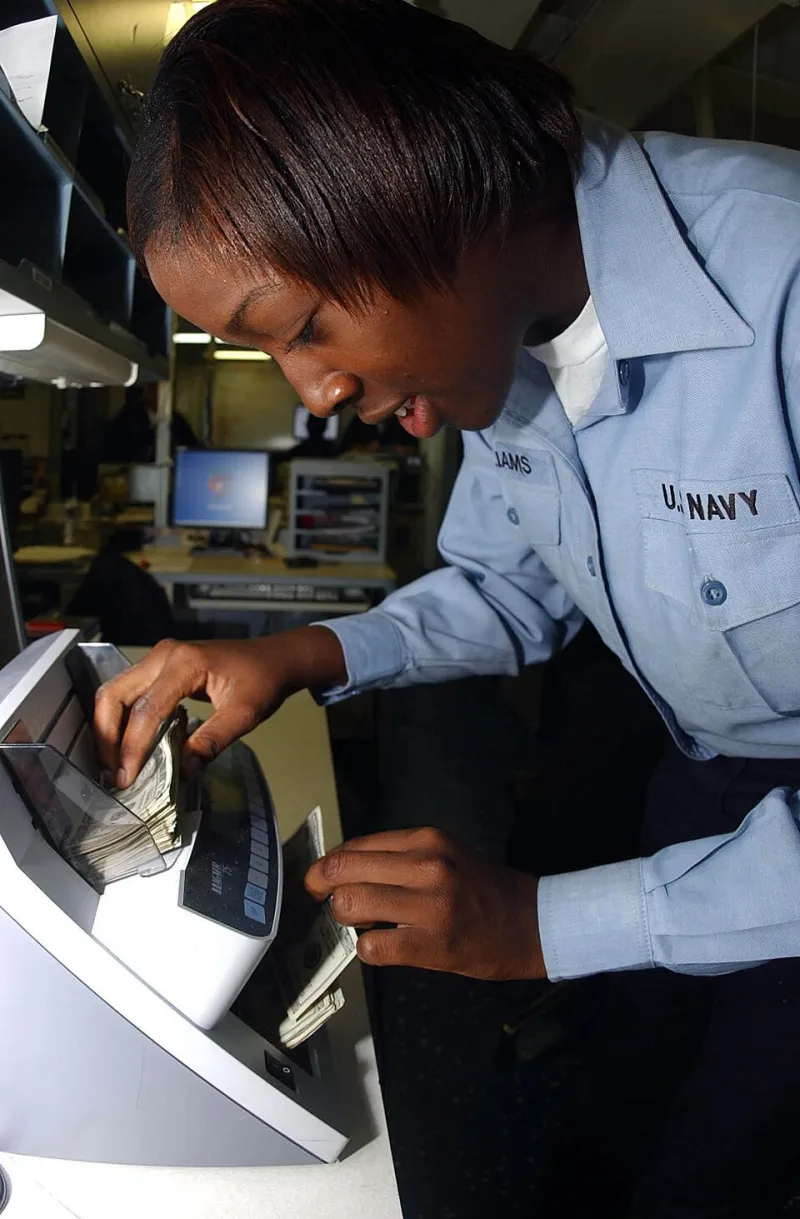
Photo: www.Pixel.la Free Stock Photos, CC0, via Wikimedia Commons
Scroll any money-related corner of social media and you'll find the same sermon: quit your job, follow your passion, bet on yourself. It sounds brave. It gets likes. It also quietly ignores how most successful self-employed people in the UK actually got there.
They didn't jump. They built a bridge — and their salary paid for every plank of it.
The Paycheque You're Told to Resent
There's a genre of content that treats your 9-to-5 as a cage. But look at it coldly: a steady salary is guaranteed income, paid leave, a pension contribution from your employer, and — crucially — the ability to take risks elsewhere without your lights going off.
If you're on £28,000 and you're building a side hustle in the evenings, you're not trapped. You're an investor with a guaranteed return, funding your own venture interest-free. Every freelancer who quit too early and spent their savings on bills will tell you the same thing: passion doesn't pay the mortgage. Cash flow does.
Burnout Is Real — So Build a System, Not a Sprint
The obvious objection: working all day then grafting all evening is a recipe for collapse. Fair. That's why 'keep your job' has to come with structure, not just hustle-culture cheerleading.
Protect two evenings a week, properly. Two focused 90-minute sessions beat five half-arsed ones. Phone in another room, one clear task, done by 9pm.
Use your commute. Twenty minutes on the train is twenty minutes of listing products, answering enquiries or planning. It's not glamorous but it adds up to a working day most weeks.
Guard one full day off. If every hour becomes monetised, you'll quit the side hustle within two months. Burnout doesn't just hurt you — it kills the business you're trying to build.
The Numbers Before You Ever Go Full-Time
Don't hand in your notice on vibes. Work towards these:
- Three to six months of expenses in the bank, separate from your emergency fund.
- Side income at 60–70% of your take-home pay for at least three consecutive months. If it matches your salary once, that's a good month. If it matches it every month, that's a business.
- A client or customer base that doesn't depend on one source. One client at 80% of your income is a job with no holiday pay.
- A conversation with an accountant. Sole trader vs limited company, tax payments on account, National Insurance — an hour of advice can save you thousands and a world of stress.
Redefine What Your Job Is For
Once you reframe it, your day job stops being the enemy and becomes the engine. It pays for the van, the laptop, the stock, the insurance. It keeps your credit file clean while you experiment. It lets you say no to bad clients because you're not desperate.
There's no medal for quitting soonest. There's a very real cost to quitting broke. The graft that matters isn't the dramatic resignation video — it's the quiet Tuesday evenings when you build something while everyone else watches telly.
Keep the job. Fund the dream. Jump when the numbers say so — not when a stranger on the internet tells you to.