Dying Hustles and Quiet Goldmines: Where Your Graft Belongs in 2026

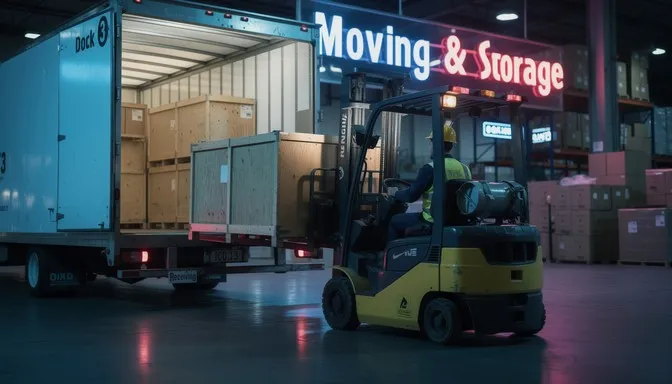
Photo: tradesperson tools van uk small business, via congero.com.au
Every January the internet tells you the same ten side hustles. Dropshipping. Print-on-demand. Being a 'UGC creator'. Half of these lists are written by people who've never earned a penny from any of them.
We'd rather give you the version we'd tell a mate in the pub: which grafts are on the way out, which are quietly thriving, and why the boring stuff keeps winning.
On the Way Out: The Saturated Stuff
Generic content writing. If your offer is "I'll write blog posts for £30," you're competing with a machine that works for pennies and never sleeps. The writers still doing well have niched hard — technical, regulated, or specialist content where accuracy matters and AI slop gets spotted.
Dropshipping and reselling gadgets. The margins were thin in 2019. Now you're up against Temu pricing, rising postage costs, and a returns process that eats your profit for breakfast. Unless you've found a genuinely underserved niche, this is a treadmill.
Low-skill virtual assistance. Diary management and inbox triage are exactly the tasks software is swallowing. The VAs thriving have moved upmarket — bookkeeping, project management, industry-specific admin where trust matters more than typing speed.
Faceless YouTube automation. The channels making money are the ones selling you the course about making money. The maths rarely works for anyone else.
Quietly Booming: The Unsexy Money
Trades-adjacent services. The UK's shortage of plumbers, sparkies and plasterers isn't news — but the knock-on opportunities are. People who can quote jobs, chase invoices, source materials, or handle the admin for self-employed tradespeople are in genuine demand. You don't need to swing the hammer; you need to make the hammer-swinger's week easier.
Compliance and paperwork support. Nobody starts a business because they love filing. Small firms, landlords and sole traders will happily pay for help with right-to-rent checks, health and safety records, insurance renewals and HMRC deadlines. It's tedious, it's recurring, and it's bulletproof against AI because someone has to be accountable.
Repair and maintenance of what people already own. Cost-of-living logic: when a new washing machine is £400 and a repair is £90, the repair wins. Appliance fixes, furniture restoration, bike servicing, clothing alterations — demand is up and supply of people who can do this is down.
Eldertech and practical help for older people. Setting up phones, sorting broadband, dealing with scam emails, teaching video calls. An ageing population plus increasingly hostile technology equals a service business with a queue.
Boring B2B services. Invoice chasing. Rostering. Review management for local businesses. It's the least Instagrammable work imaginable and that's precisely why it pays — low competition, high willingness to pay, work that renews every month.
How to Spot the Next One
Three questions before you commit your evenings to anything:
- Does it survive a price rise? If clients bolt the moment you charge a fair rate, it was never a business — it was a hobby with expenses.
- Is the demand boring and recurring? One-off viral demand is a lottery. Monthly grind demand is an income.
- Would someone pay you to deal with something they hate? Hatred is the strongest currency in the side hustle economy.
The Verdict
The hustle graveyard of 2026 is full of people copying what worked in 2019. The quiet goldmines belong to people solving problems that got worse while everyone else chased trends.
Less glamour, more graft. As ever, that's where the money is.